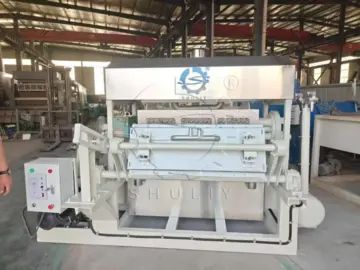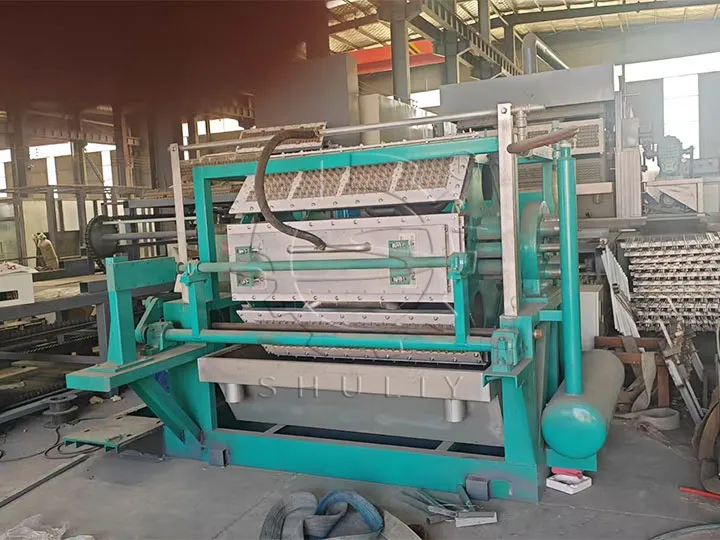
Wenn Sie sich für die Wellpappenindustrie interessieren, sind Eierkartonmaschinen (Pulpmolding-Produktionslinien) eine überzeugende Option mit einer relativ niedrigen Einstiegshürde, stetiger Nachfrage und klaren Umweltvorteilen. Dieser Artikel erklärt, wie Eierkartonmaschinen funktionieren, gängige Konfigurationen, Kapazität und Energieverbrauch, Auswahlkriterien, Kosten und Renditen, Wartung und häufige Probleme, um Ihnen bei effizienten Entscheidungen zu helfen.
Was ist eine Eierkartonmaschine
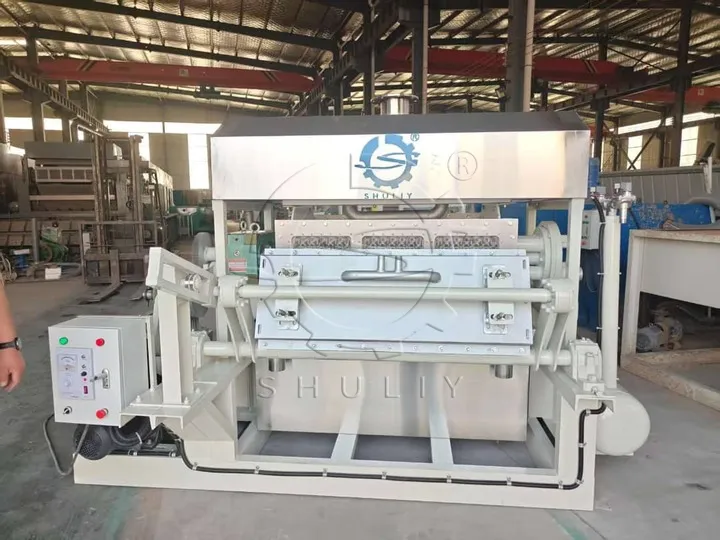
Eine Eierkartonherstellungsmaschine ist eine integrierte Linie, die Abfallpapier und Wasser in Pulpe verwandelt, nasse Vorlagen mittels Vakuumansaugung formt, sie dann trocknet und härtet, um Papier-Eierkartons oder andere geformte Pulpprodukte (wie Fruchtschalen, Becherträger, Weinflaschenhalter oder Elektronik-Einsätze) herzustellen. Ihr Kernwert liegt darin, Abfall in Wert zu verwandeln: Die Verwendung von kostengünstigem Abfallpapier zur Herstellung erneuerbarer, recycelbarer grüner Verpackungen.

Produktionsfluss und Schlüsselphasen
1. Lagervorbereitung und Pulpenherstellung
- Rohstoffe: alte Zeitungen, Wellpappkartons, Buchpapier, Schnittreste usw., mit geeigneten Zusätzen wie Wasserabweisern, Festigkeitsmitteln und Trennmitteln.
- Prozess: Zerkleinern, Hydrapulping, Schlagen und Mischen sowie Homogenisierung im Lagerbehälter. Typische Konsistenz liegt bei 0,8 %–1,2 %, mit einem pH-Wert um 6,5–7,5.
2. Formgebung (Saugung – Entwässerung – Entformung)
- Mit Vakuum-Unterdruck werden Fasern auf eine Gitterform gezogen, um eine nasse Vorlage zu bilden, die dann durch Rückstoß oder mechanische Mittel entformt wird, um auf eine Transferform zu gelangen.
- Wichtige Parameter: Vakuumlevel, Saugzeit, Formdurchlässigkeit, sowie Pulpetemperatur und -konsistenz.
3. Trocknen (natürlich oder mit Heißluft)
- Natürliches Sonnen-Trocknen: großer Platzbedarf und wetterabhängig; geeignet für kleine Kapazitäten und trockene Klimazonen.
- Metall-Trockner mit Mehrschicht- oder Gitterband: stabile Temperaturkontrolle und hohe Effizienz; Brennstoffe umfassen Erdgas, Diesel, Dampf oder Elektrizität.
- Backstein-Mauerwerkstunnel: gute Isolierung und geringere Investition, aber längere Bauzeit und höhere Standortanforderungen.
4. Stapeln und Verpacken
Verwendung von Staplern, Schrumpfverpackungen oder Bändern zur Effizienzsteigerung und Schadensreduzierung bei der Handhabung.
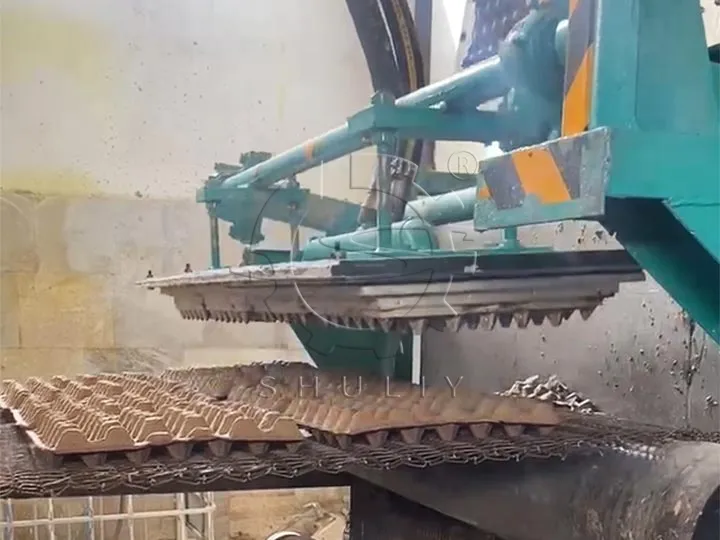
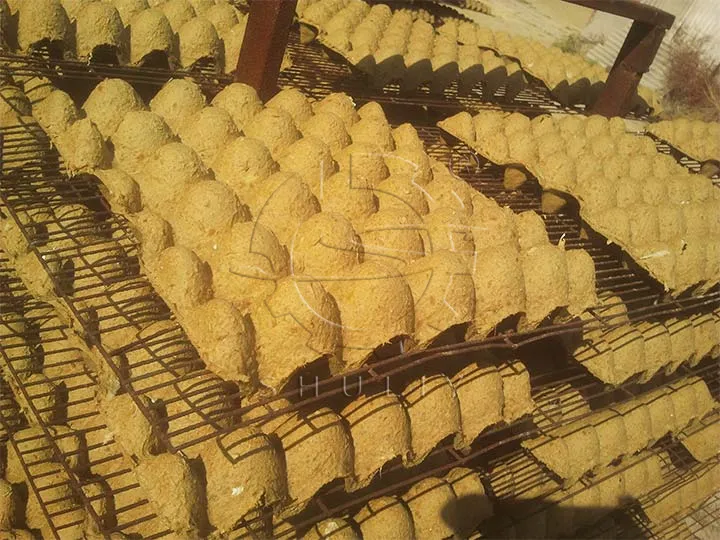
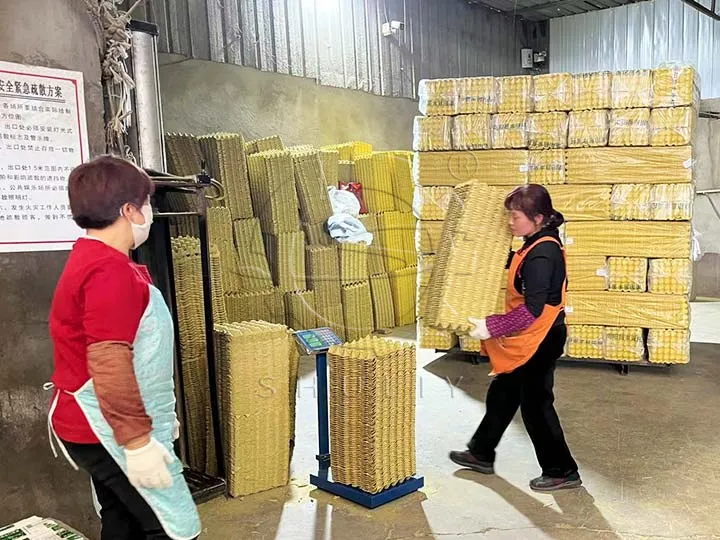
Haupttypen und Konfigurationen der Eierkartonmaschinen
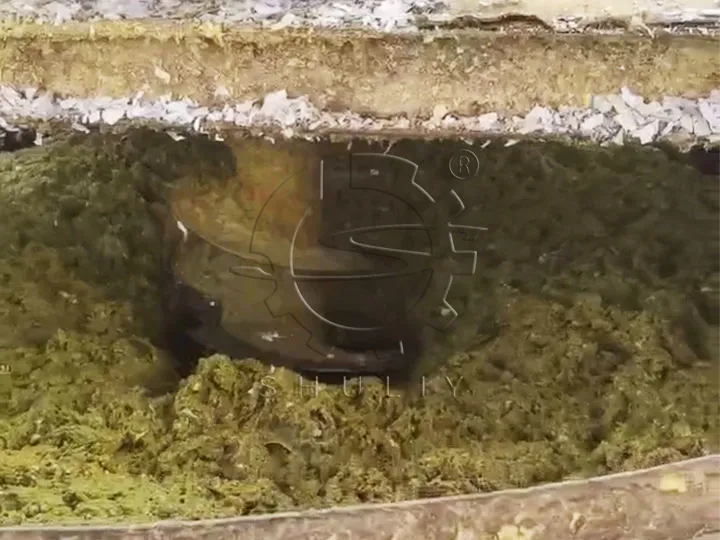
1. Klein/Einsteiger (Manuell oder halbautomatisch)
- Typischer Output: 1000–2000 Körbe/Stunde (Basis 30-Kammer-Eierkarton).
- Trocknung: Sonnen- oder kleine Heißluftkammer.
- Am besten geeignet für: Erstunternehmer, kleine Farmen, lokale Versorgung.
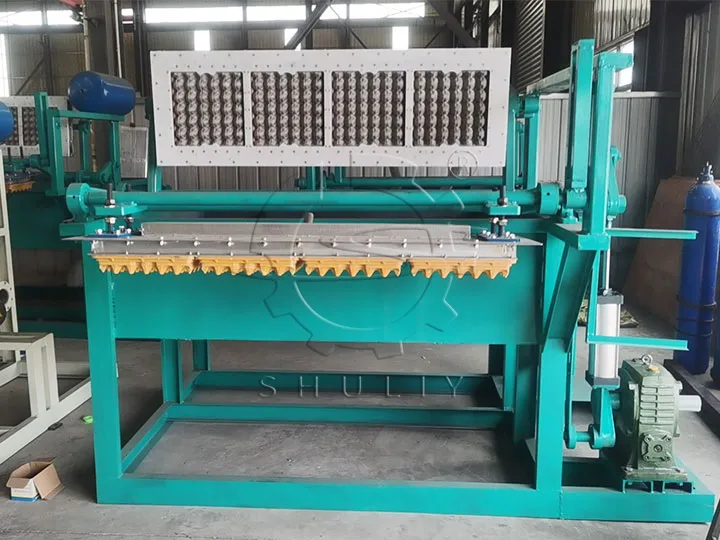
2. Mittel (Halbautomatisch bis vollautomatisch)
- Typischer Output: 2000–4000 Körbe/Stunde.
- Typische Zusätze: Metallschranktrockner, automatischer Stapler, grundlegende Abwärmerückgewinnung.
- Am besten geeignet für: regionale Händler, Supermärkte oder Geflügelbetriebe.
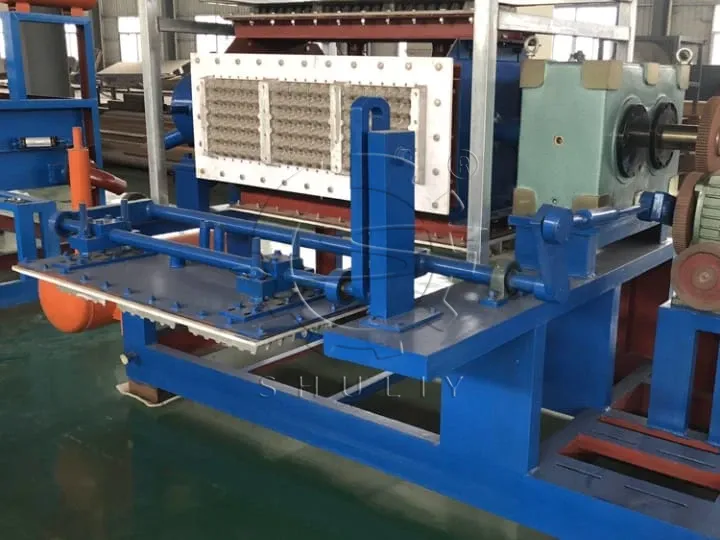
3. Groß (Vollautomatische Dauerlinien)
- Typischer Output: 4000–8000 Körbe/Stunde.
- Konfiguration: vollständig automatisierte Lagervorbereitung, Vakuumsystem, kontinuierlicher Trockner, Mehrstationen-Stapler, Inline-Qualitätsprüfung, integrierte Energieverwendung.
- Am besten geeignet für: Großbetriebe, Exportaufträge, OEM.
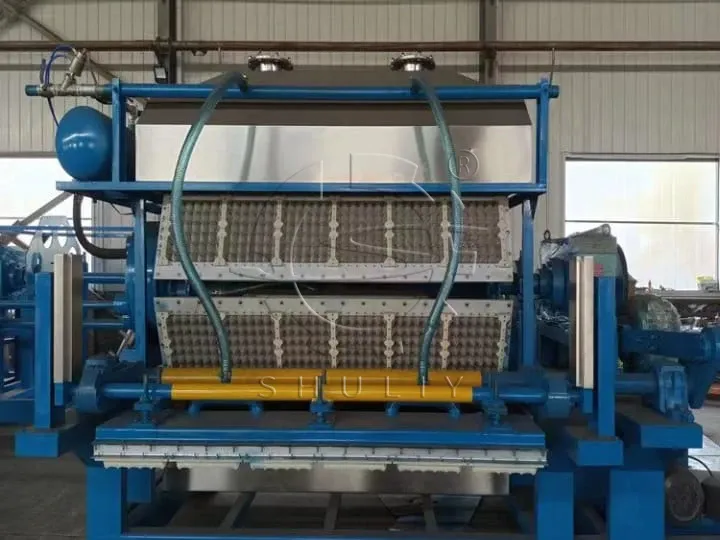
4. Formen und Produktdiversifikation
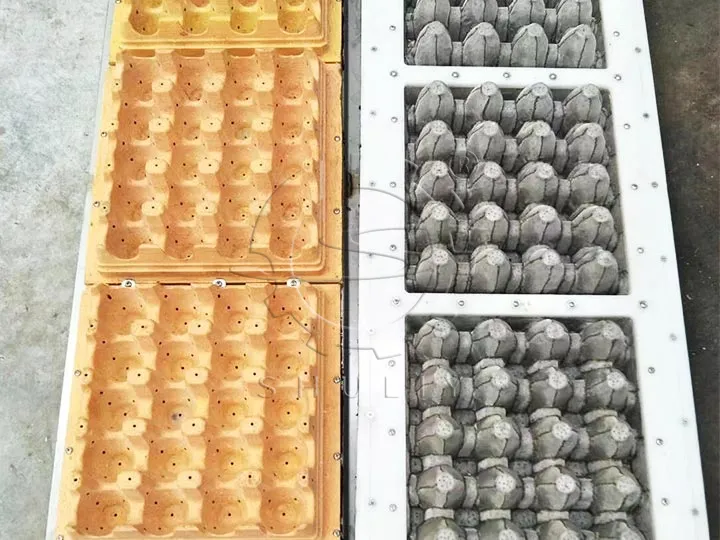
- Schnellwechsel-Formen: 30-fach Eierkartons, 20/25-fach Trays, Eierkartons, Enteneier-Trays, Obst-Trays, Becherträger, Wein-Trays, Schuh-Trays, Elektronik-Einsätze usw.
- Formmaterialien: Aluminiumlegierung, Kupfer, Kunststoff. Logo- und QR-Code-Prägung können angepasst werden.
Wie man eine Eierkartonmaschine auswählt: 6 wichtige Abmessungen
- Zielkapazität und Produktmix: Tägliche/wöchentliche/monatliche Pläne und Produktanteile festlegen, um Leerlaufkapazitäten oder Engpässe durch saisonale oder Auftragsfluktuationen zu vermeiden.
- Trocknungslösung passend zum Klima und Energie: In regnerischen/hochmoduligen Regionen Metalltrockner priorisieren. Wählen Sie die kostengünstigste verfügbare Energie (bevorzugt Erdgas/Dampf; Strom und Diesel hängen von den lokalen Preisen ab).
- Rohstoffsicherheit und Formulierung: Stabile Abfallpapierquellen, Mengenrabatte, und Kompatibilität mit Beuteln. Für farbige Kartons oder lebensmittelechte Einsätze Überwachung von Fluoreszenz, Schwermetallen und Lebensmittelsicherheit.
- Standort- und Umweltkonformität: Stromkapazität, Gas-/Kesselverfügbarkeit, Wasserversorgung und -entsorgung, Lärm- und Abwasserbehandlung (Sedimentation und Wiederverwendung); lokale Umwelt- und Brandschutzbestimmungen einhalten.
- Formen und downstream-Automatisierung: Die Präzision der Formen beeinflusst direkt die Ausbeute und Oberflächenqualität. Stapeln, Inline-Zählen und Verpacken können Kosten erheblich senken und die Effizienz steigern.
- After-Sales und Ersatzteile: Garantie, Liste der Verschleißteile, Fern-Diagnose, Zeitplan/Kosten für Vor-Ort-Installation und Schulung.
Wartung und Qualitätskontrolle essentials
- Pulpe: stabile Konsistenz, Faserlängenverteilung und Additivdosierung; Verunreinigungen vermeiden, die Maschen verstopfen und schwarze Flecken verursachen.
- Formung: Vakuumpegel und Saugzeit optimieren; Form sauber halten und Mesh-Spannung kontrollieren; „gebrochene Kanten“ und „dünne Böden“ vermeiden.
- Trocknung: Temperaturkurven und Luftstromverteilung steuern; Verformung, Kollaps, Farbabweichungen und Überbacken-Embrittlement verhindern.
- Abmessungen und Aussehen: Inline-Probenahme für Abmessungen, Gewicht und Druckfestigkeit; ordentliche Stapelung und sichere Verpackung.
Häufige Probleme und Fehlerbehebung
- Weiche oder kollabierte Trays: niedrige Pulper-Konsistenz, unzureichende Saugkraft, ungleichmäßige Trocknung oder Stapeln bei zu heißem Zustand.
- Große Gewichtsschwankungen: Schwankungen im Vorratsbehälter, instabiler Vakuum oder verstopfte Formlöcher.
- Oberflächenfuzzing oder Perforationen: übermäßige Verunreinigungen, Überbehandlung oder beschädigtes Mesh.
- Vergilbung oder Farbabweichung: Trocknungstemperatur zu hoch, unvollständige Verbrennung, die Ruß verursacht, oder unzureichende Pulpe-Reinigung.
- Anhaftung an Formen: unzureichender Freigabeluftdruck oder Freigabemittelverhältnis, oder große Temperaturdifferenzen bei der Form.
Fazit
Ein Eierkartonherstellungsmaschine verbindet kostengünstige Abfallpapier-Eingaben mit der hohen Nachfrage nach umweltfreundlicher Verpackung. Mit der richtigen Auswahl, stabilen Prozessen und kontinuierlicher Optimierung können Sie einen zuverlässigen, vorhersehbaren Cashflow erzielen und gleichzeitig das Investitionsrisiko kontrollieren. Wenn Sie Ihre Zielkapazität, verfügbare Energie, Standortbedingungen und Budgetrahmen mitteilen, können wir eine detaillierte Konfiguration für Sie anpassen.