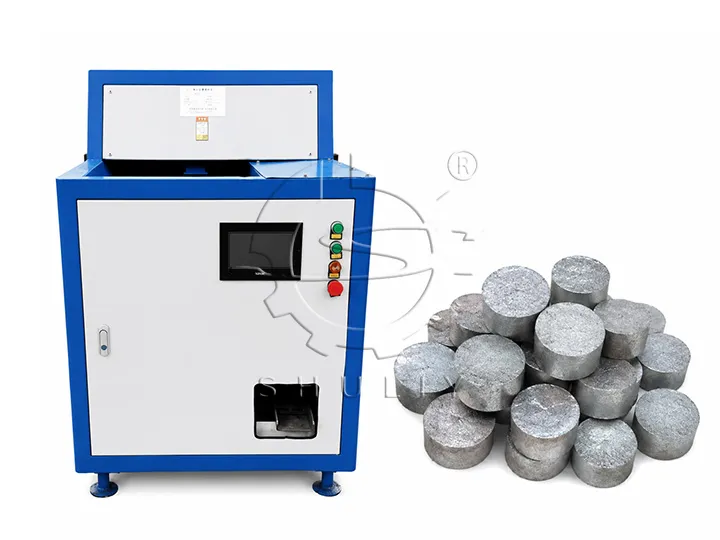
A metal chip briquetting machine offers an efficient way to convert loose metal machining waste into compact, high-density briquettes. Using hydraulic pressure, this equipment compresses metal chips, turnings, and certain metal powders into solid cylindrical blocks without heating or adding binding agents.
Metal processing plants generate considerable amounts of scrap during cutting, drilling, milling, turning, and casting operations. Although these materials still contain valuable metals, their loose form makes collection, storage, and transportation less convenient. A hydraulic metal chip briquetting machine helps factories transform scattered metal waste into manageable products that can be transported or returned to the melting process.
Turn Metal Processing Waste into Reusable Resources
In many metalworking workshops, metal chips are collected in containers or stored in designated areas after machining. As production continues, these loose materials quickly accumulate and occupy valuable working space.
A metal chip press provides a direct solution by reducing the volume of these materials through mechanical compression.
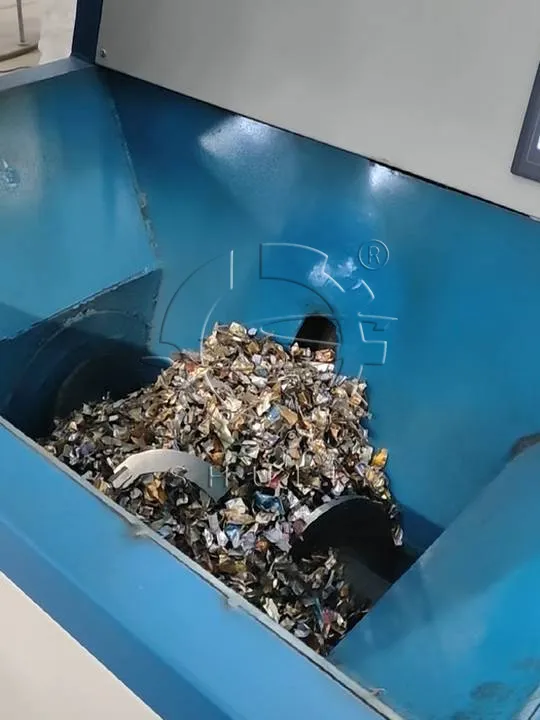
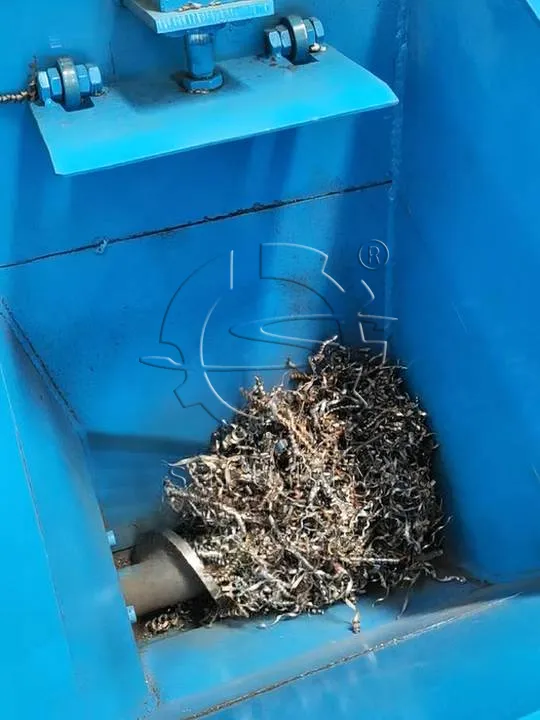
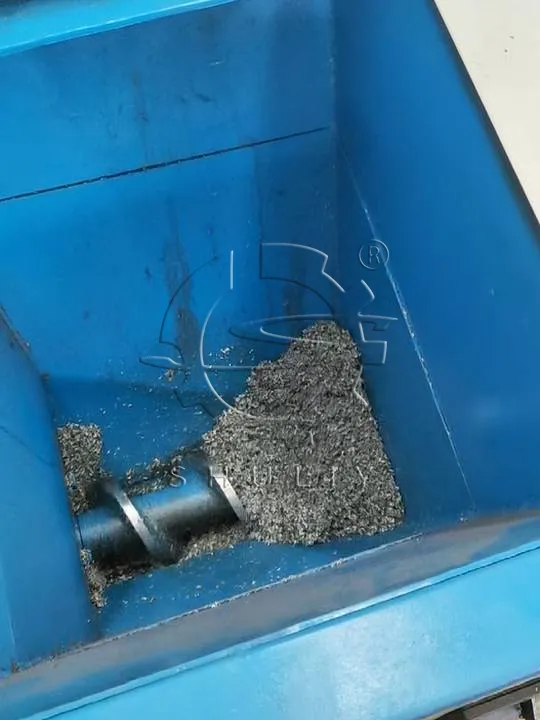
The machine is suitable for various metalworking by-products, including:
- Aluminum alloy turnings from profile machining
- Copper chips from copper product manufacturing
- Cast iron chips from mechanical processing
- Steel turnings from CNC machining
- Stainless steel scraps from metal fabrication
- Iron, aluminum, and copper powders
- Other suitable granular metal waste
Different materials have different compression characteristics. We can evaluate the material properties and recommend an appropriate machine configuration according to the actual processing requirements.
Hydraulic Metal Compression Without Heating
The machine operates through a hydraulic system that generates strong compression force. The entire forming process takes place at room temperature, eliminating the need for a separate heating process.
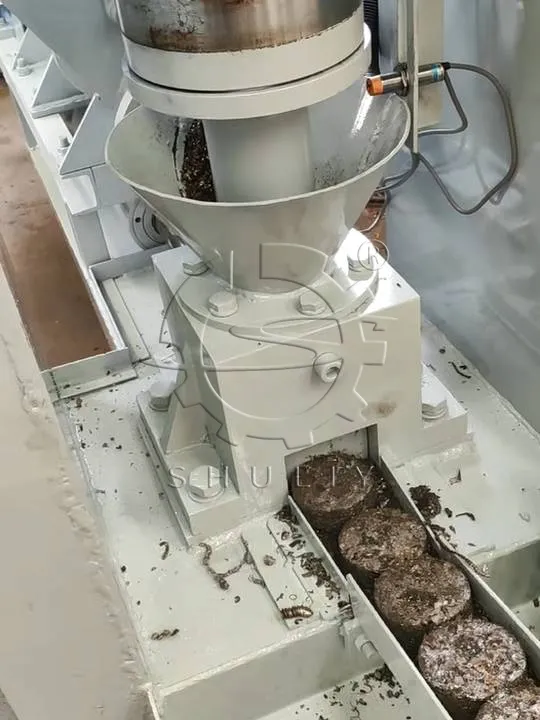
The operation starts when loose metal materials are loaded into the large feeding hopper. A feeding cylinder pushes the material toward the compression chamber and then returns to its initial position.
Next, the main hydraulic cylinder drives the pressing head downward. Once the punch enters the mold cavity, the system applies increased pressure to compact the metal material.
After the compression stage and pressure holding period, the mold mechanism moves to the discharge position. The main cylinder then pushes the formed briquette out of the mold. The hydraulic components reset automatically, preparing the machine for the next cycle.
This coordinated feeding, pressing, and discharging process allows the equipment to complete repeated briquetting operations.
No heating, external binders, or additional forming materials are required.
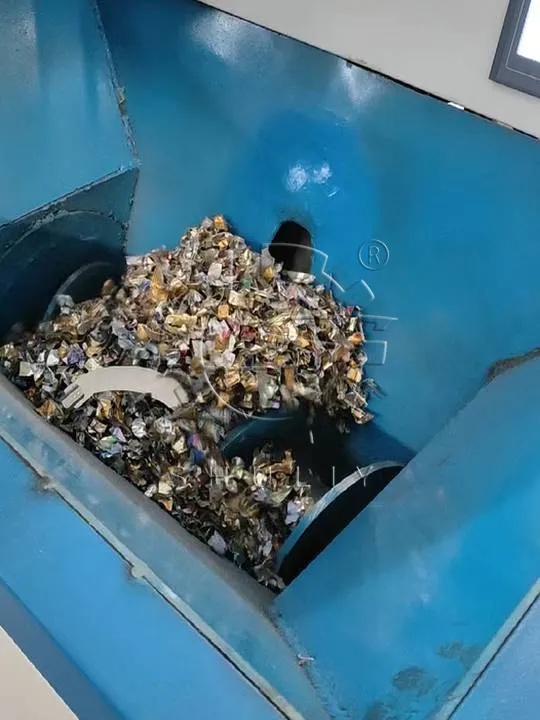
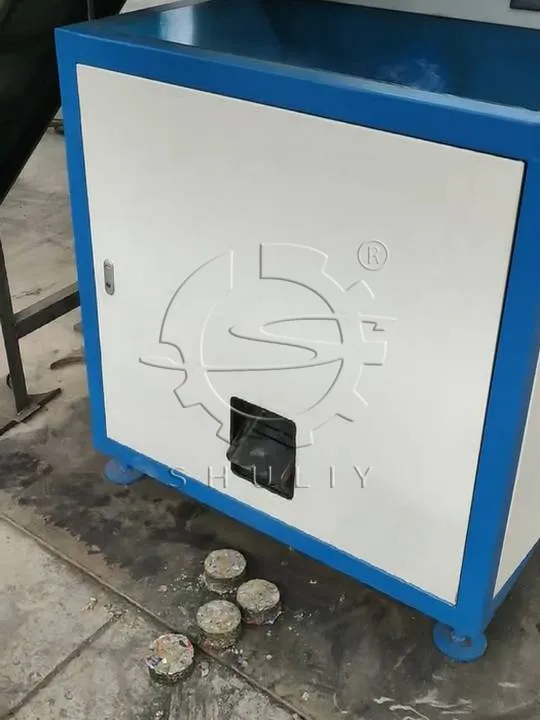
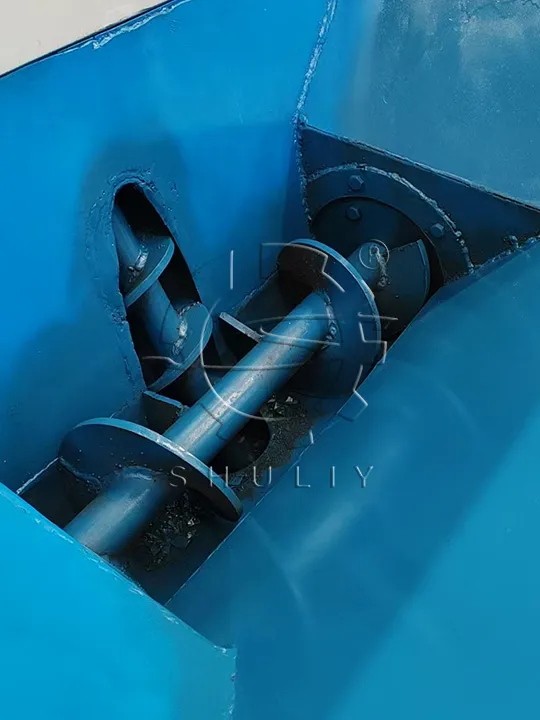
Compact Metal Briquettes for Storage and Furnace Charging
One of the main purposes of metal briquetting is to change loose scrap into a more convenient form for subsequent handling.
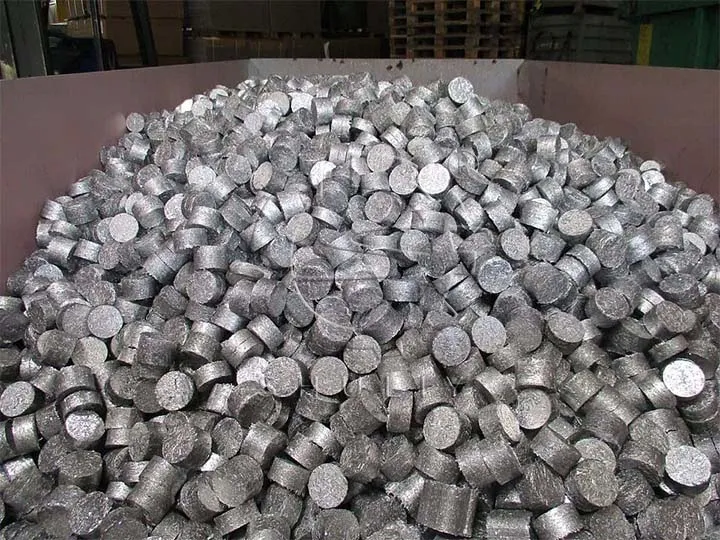
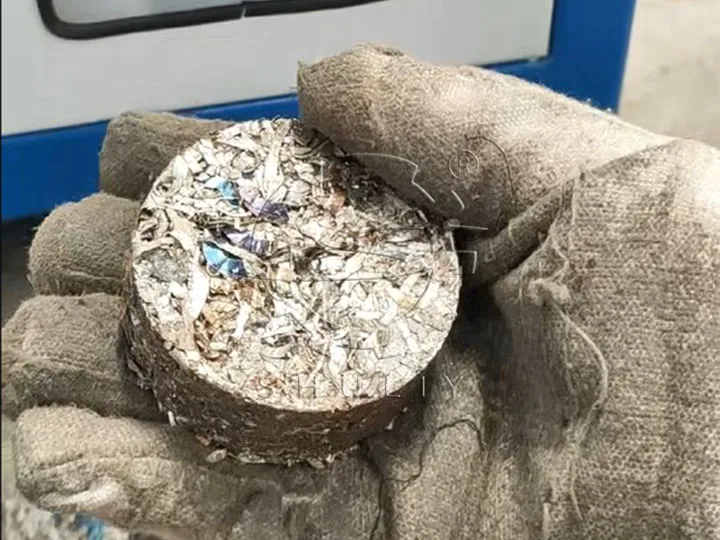
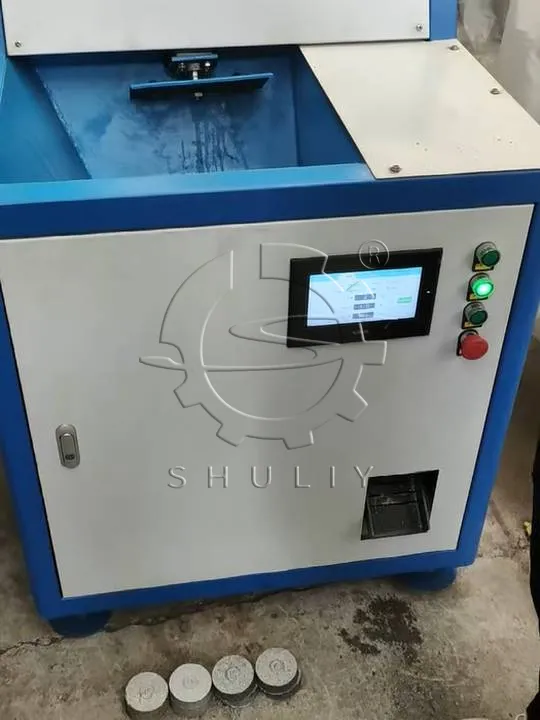
Our metal briquetting equipment can produce cylindrical briquettes weighing approximately 3–6 kg per piece, depending on the material and machine configuration.
The finished products have several practical characteristics:
- Regular cylindrical shape
- Compact structure
- Convenient stacking and storage
- Easier loading and transportation
- Suitable for subsequent metal recycling and remelting
For example, aluminum chips can be compressed into aluminum briquettes, while copper turnings and cast iron chips can be formed into corresponding metal blocks.
For cast iron chips, the compressed material density can reach approximately 2–6 T/m³, depending on the material and operating conditions.
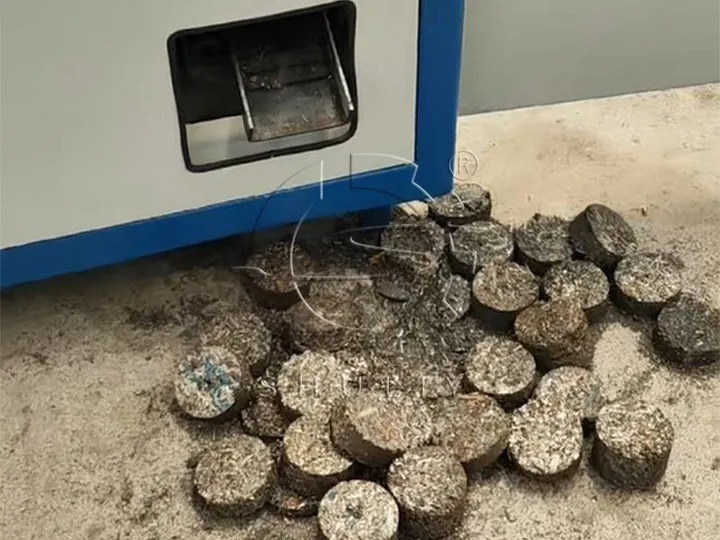
Recover More Value from Metal Scrap
Metal briquetting is not simply a process of reducing waste volume. It also helps improve the way recyclable materials are handled before they enter the melting stage.
Loose metal chips have a relatively large exposed surface area. During furnace charging and melting, oxidation can cause material losses. Compressing suitable metal scraps into dense briquettes reduces their exposed surface area and makes furnace feeding more convenient.
For aluminum profile manufacturers, foundries, and metal machining businesses, this provides a practical way to organize production waste and prepare recyclable materials for reuse.
The briquettes can be collected separately according to metal type and transported to the corresponding melting facilities.
Equipment Solutions for Different Production Conditions
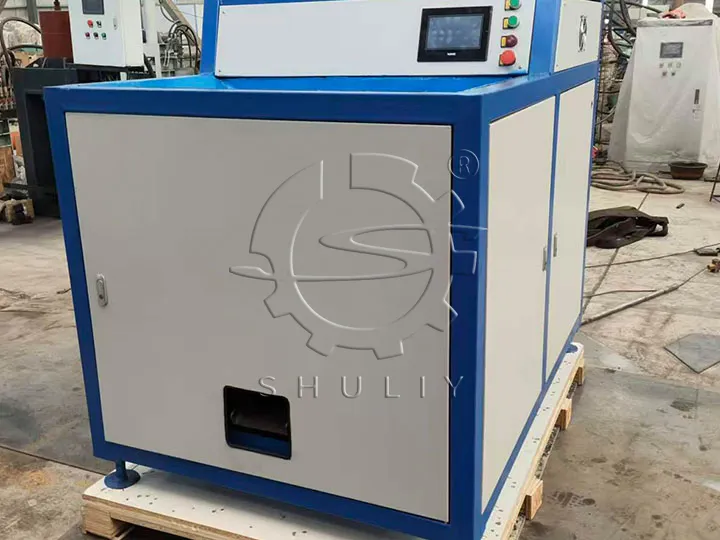
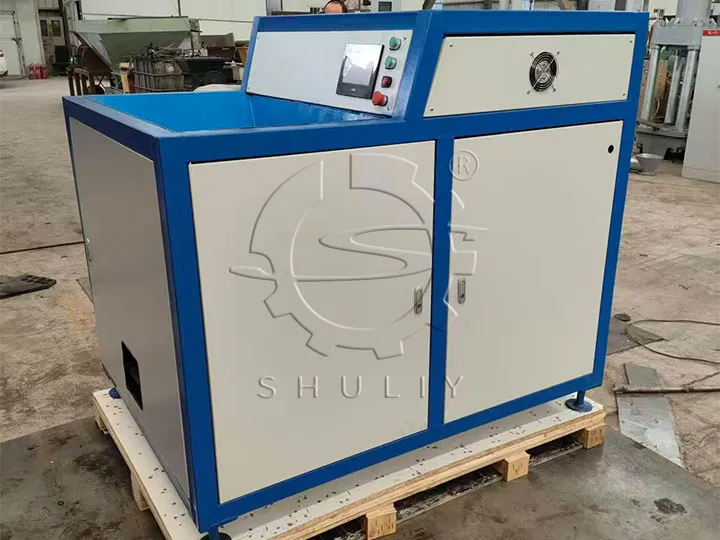
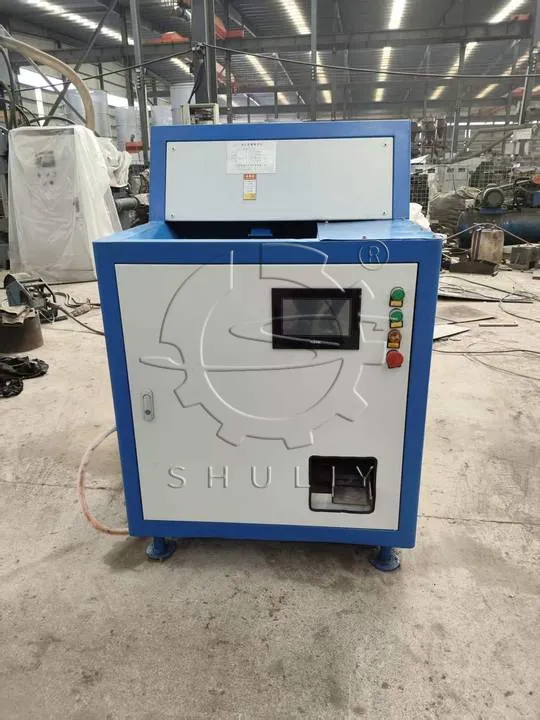
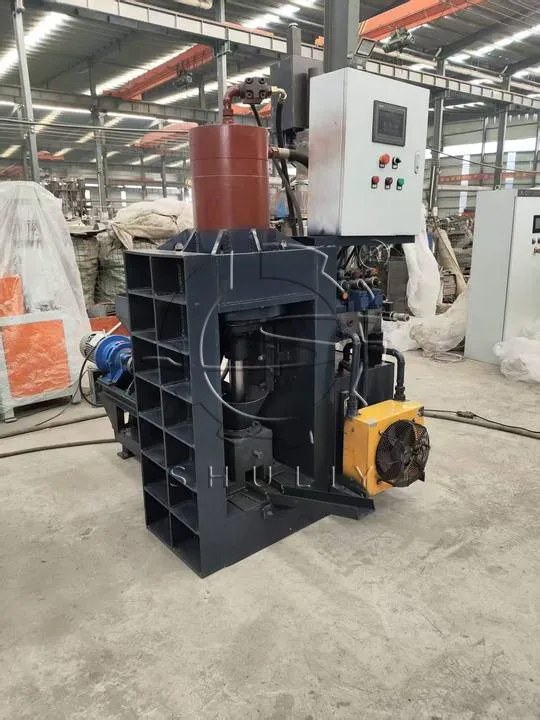
We manufacture two types of metal briquetting equipment:
- Vertical hydraulic metal chip briquetting machine
- Box-type metal briquetting machine
Instead of asking customers to select a machine simply by appearance or model, we recommend suitable equipment after understanding their actual production conditions.
Several factors are considered during equipment selection:
Material characteristics: Different metals have different hardness, particle shapes, and compression properties.
Processing volume: The amount of metal waste generated per hour or per day helps determine the required machine capacity.
Briquette specifications: The expected weight and dimensions of the finished briquettes influence the mold and equipment configuration.
Installation conditions: Available factory space and material feeding arrangements are also important.
Our team can provide equipment recommendations based on these details, helping customers avoid selecting a machine that does not match their production requirements.
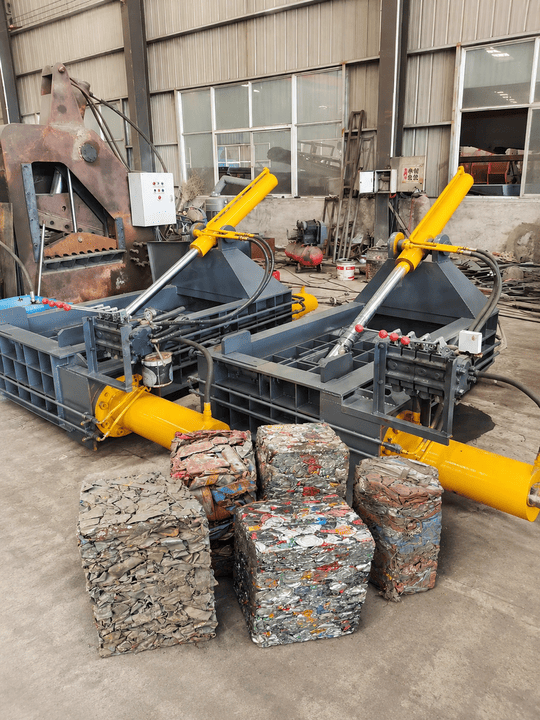
Metal Chip Briquetting Machine vs. Metal Scrap Baler
Although both machines use hydraulic pressure, they are designed for different types of scrap metal.
A metal chip briquetting machine handles relatively small and loose materials, including aluminum chips, copper turnings, iron filings, and metal powders. Its finished products are compact cylindrical briquettes.
A metal scrap baler is mainly used for bulky materials such as scrap steel sheets, aluminum cans, metal plates, and other large metal waste. It compresses these materials into square or rectangular bales.
| Comparison | Metal Chip Briquetting Machine | Metal Scrap Baler |
|---|---|---|
| Feed Material | Loose metal chips and powders | Bulky metal scrap |
| Typical Applications | Aluminum, copper, iron, and steel chips | Scrap steel, metal sheets, aluminum cans |
| Finished Shape | Cylindrical briquettes | Square or rectangular bales |
| Main Purpose | Preparing metal chips for recycling and melting | Compacting bulky scrap for storage and transportation |
If your factory mainly produces machining chips, a metal chip briquetting machine is generally the more appropriate choice. For larger scrap pieces, a metal baler is usually more suitable.
Industries That Benefit from Metal Briquetting
The equipment can be incorporated into metal waste management processes across several industries.
Aluminum alloy factories: Compress aluminum machining chips and turnings generated during profile cutting and processing.
Steel and iron foundries: Process suitable iron and steel chips into compact briquettes for subsequent recycling.
Copper manufacturing plants: Handle copper chips and other copper machining residues more conveniently.
Automotive parts manufacturers: Collect and compress metal waste generated during the production of mechanical components.
CNC machining workshops: Reduce the accumulation of loose metal turnings from daily machining operations.
Metal recycling companies: Improve the handling, storage, and transportation of recyclable metal materials.
Technical Information and Customization
The following information provides a general reference for our metal chip briquetting equipment.
| Artikel | Detaljer |
|---|---|
| Equipment Name | Metal Chip Briquetting Machine |
| Machine Types | Vertical Hydraulic Type / Box Type |
| Processing Materials | Iron, steel, aluminum, copper, stainless steel chips and suitable metal powders |
| Forming Method | Hydraulic cold compression |
| Finished Shape | Cylindrical |
| Briquette Weight | Approximately 3–6 kg/piece |
| Cast Iron Briquette Density | Approximately 2–6 T/m³ |
| Heating Requirement | Not required |
| Binding Agent | Not required |
Actual production capacity, compression pressure, and finished briquette specifications depend on the selected machine and raw material characteristics. We can recommend the appropriate configuration according to your project.
Frequently Asked Questions
1. Can the machine compress metal chips containing cutting oil?
Metal chips containing cutting oil or coolant can be suitable for briquetting. The material condition should be evaluated beforehand, particularly when liquid recovery is required.
2. Can different metal materials be processed in the same machine?
The machine can be configured for different metal materials. However, it is generally recommended to process and collect different metal types separately to maintain the quality of recycled materials.
3. Are the finished briquettes suitable for remelting?
Yes. Suitable metal briquettes can be used as furnace feedstock. Their compact shape also makes collection, transportation, and charging more convenient.
4. Does the machine need additional binding materials?
No. The hydraulic system compresses the metal materials directly without requiring external binders during normal operation.
5. How do I get a suitable machine recommendation?
Please provide your metal material type, approximate waste volume, expected briquette weight, and available installation space. We can evaluate these details and recommend a suitable model.
Get the Right Metal Chip Briquetting Machine for Your Factory
Handling loose metal waste efficiently can make a significant difference to the daily operation of a metal processing plant. With hydraulic cold compression, a metal chip briquetting machine transforms scattered metal chips into compact briquettes that are easier to collect, store, transport, and recycle.
Whether you operate an aluminum profile factory, a copper processing plant, a steel foundry, or a CNC machining workshop, we can help you find suitable briquetting equipment.
Contact us with your raw material information and processing requirements. Our team will recommend a suitable metal briquetting machine and provide a customized solution for your metal recycling project.